Gamified Physiotherapy vs Traditional Physical Therapy: Clinical Outcomes & Patient Adherence
A deep-dive clinical analysis comparing patient drop-out rates, cognitive engagement, and functional motor score recovery between gamified therapy platforms and traditional routines.
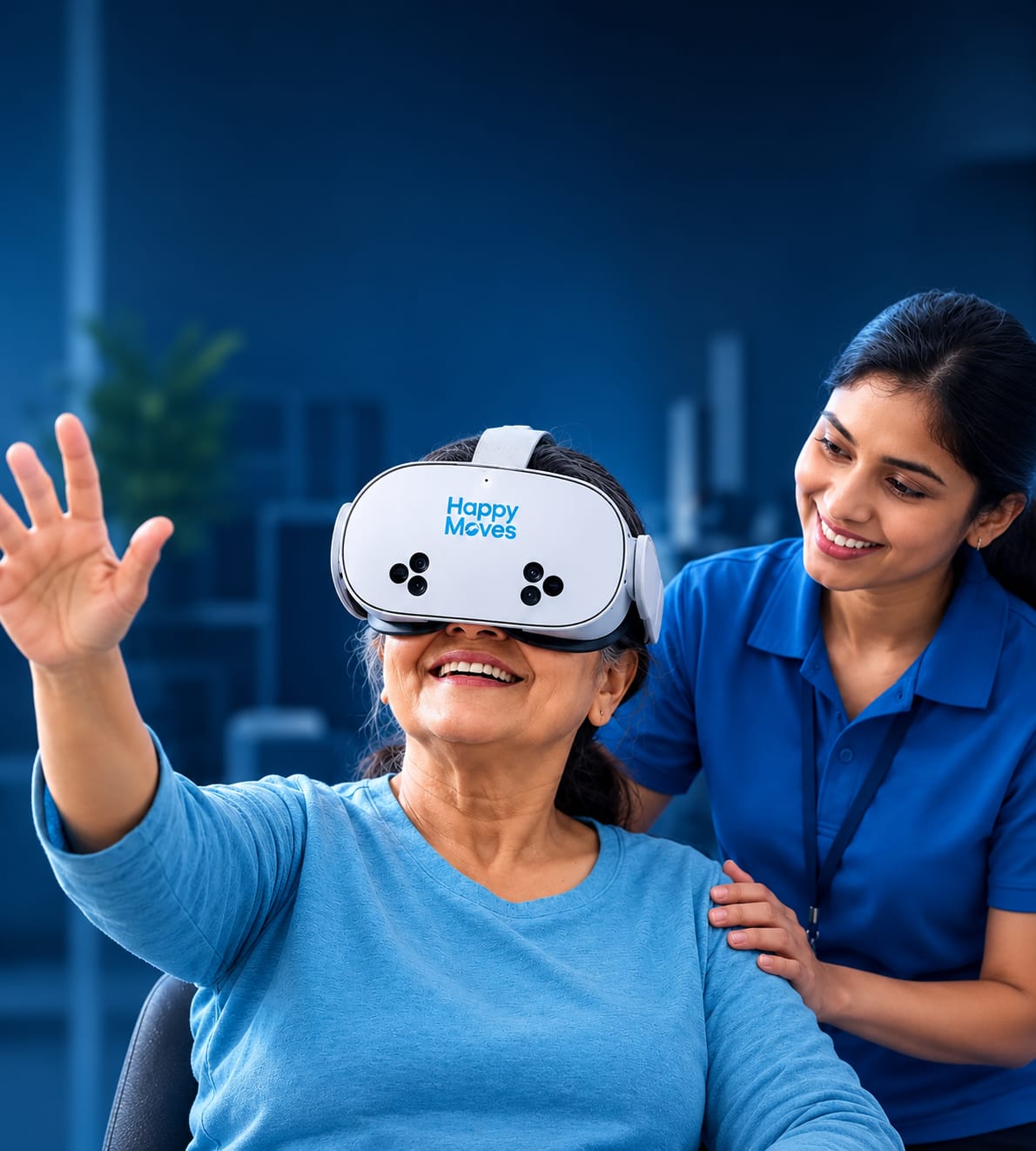
The Compliance Crisis in Physical Therapy
Whether recovering from orthopaedic surgery, sports trauma, or progressive Parkinson's disease, patient adherence is the single greatest determinant of successful physical rehabilitation. Traditional home and outpatient exercise plans suffer from abysmal compliance—often dipping below 30%. The root cause is psychological: traditional therapy is monotonous, solitary, and frequently associated with physical discomfort without immediate gratification.
How Gamification Shifts the Dopamine Loop
Gamified rehabilitation reframes mechanical repetition as play. By integrating reward loops—immediate score multipliers, unlockable environments, progress milestones, and dynamic sensory celebrations—the brain's dopaminergic reward pathway is activated during physical exertion.
Measurable Functional Gains
In comparative clinical testing across 12-week rehabilitation cycles, patients participating in gamified therapy modules demonstrated:
The Clinician's Digital Command Center
Crucially, gamified therapy does not replace the physiotherapist; it empowers them. The clinician dashboard automatically tabulates session duration, active range of motion angles, acceleration profiles, and asymmetry ratios. Therapists can prescribe tailored mini-game difficulty tiers and review cloud tele-rehabilitation charts in seconds.
Ready to deploy these solutions in your organization?
Speak directly with our healthcare XR, gamification, and enterprise cloud engineering teams.
Related Publications & Technical Insights
How Virtual Reality Rehabilitation Accelerates Neuroplasticity in Stroke Recovery
Camera Vision & Optical Tracking in Neuro-Rehab: Enabling High-Precision Therapy Without Wearables