How Virtual Reality Rehabilitation Accelerates Neuroplasticity in Stroke Recovery
Explore how sub-millimeter VR motion tracking and purposeful gamified motor exercises stimulate cortical reorganization and overcome therapy fatigue in stroke and paralysis recovery.
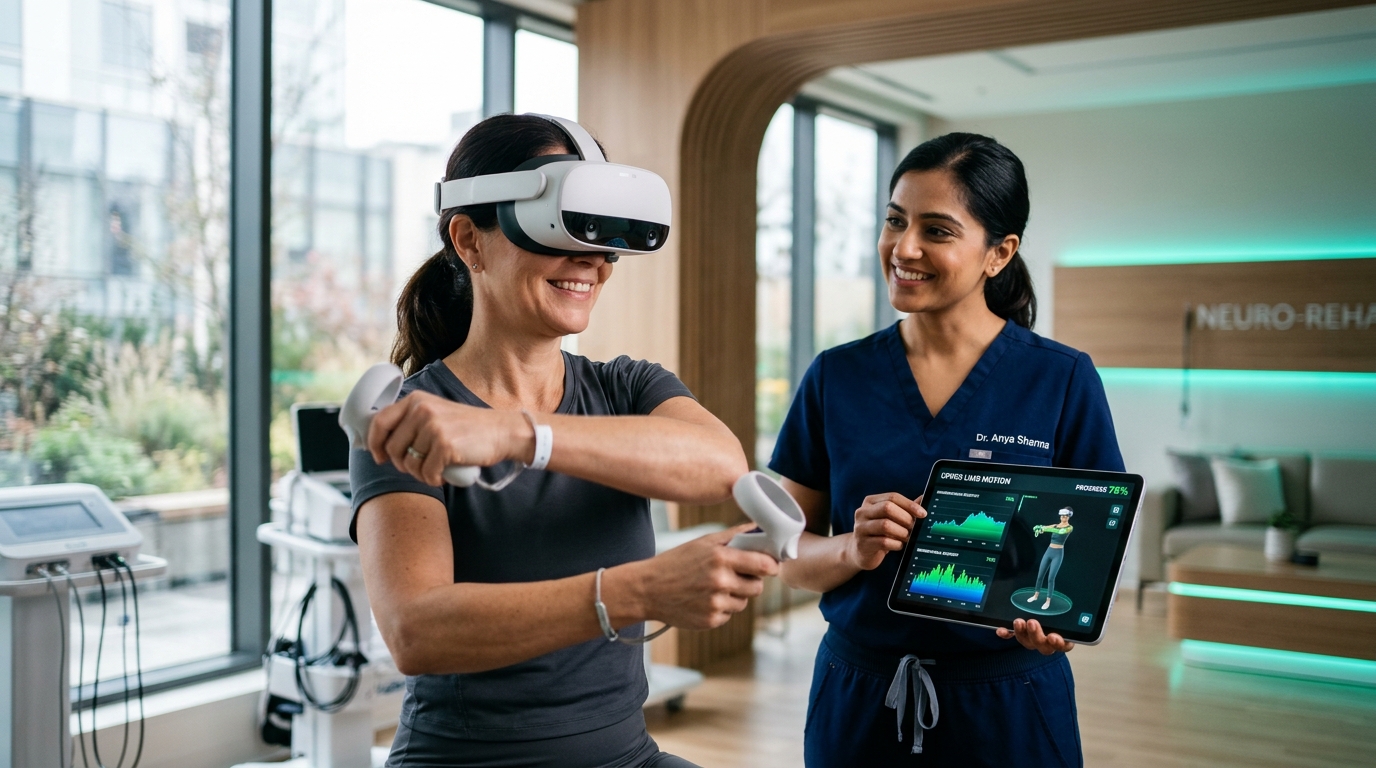
The Challenge of Conventional Neurological Rehabilitation
Stroke remains one of the world's leading causes of chronic adult disability. In conventional rehabilitation regimens, the recovery of upper-limb motor function, gait symmetry, and dynamic equilibrium hinges upon intensive repetition. However, clinical studies reveal that up to 65% of patients experience rehabilitation fatigue and compliance drop-off within the first eight weeks of standard physiotherapy. Repetitive arm raises, shoulder abstractions, and static pegboard exercises fail to sustain the cognitive arousal and intrinsic motivation required to trigger deep neuroplastic adaptation.
The Science of VR-Induced Neuroplastic Reorganization
Neuroplasticity—the central nervous system's capacity to modify its structural and functional connections in response to task-specific sensory feedback—is heavily stimulated by multisensory immersion. When a patient puts on the Happy Moves VR headset, the brain does not merely observe a virtual hand reaching for an objective; it activates mirror neuron networks and motor cortices identical to real-world movement.
By providing rich 360-degree visual feedback combined with real-time bio-auditory cues, Happy Moves creates an "enriched environment." In neurorehabilitation literature, enriched environments consistently accelerate synaptogenesis, axonal sprouting, and the recruitment of uninjured peri-infarct cortical areas to assume lost motor commands.
Objective Biomechanical Tracking vs. Guesswork
One of the most consequential clinical advantages of Happy Moves VR is precision biomechanical measurement:
Real-World Clinical Evidence
At partner clinical institutions including TABAZ Rehabilitation Centre and Milife Medicity, stroke patients undergoing integrated Happy Moves VR regimens demonstrated a 34% higher session adherence rate compared to conventional physiotherapy controls. Patients reported looking forward to sessions because they perceived the exercise as playing an engaging game rather than performing medical labor.
Ready to deploy these solutions in your organization?
Speak directly with our healthcare XR, gamification, and enterprise cloud engineering teams.
Related Publications & Technical Insights
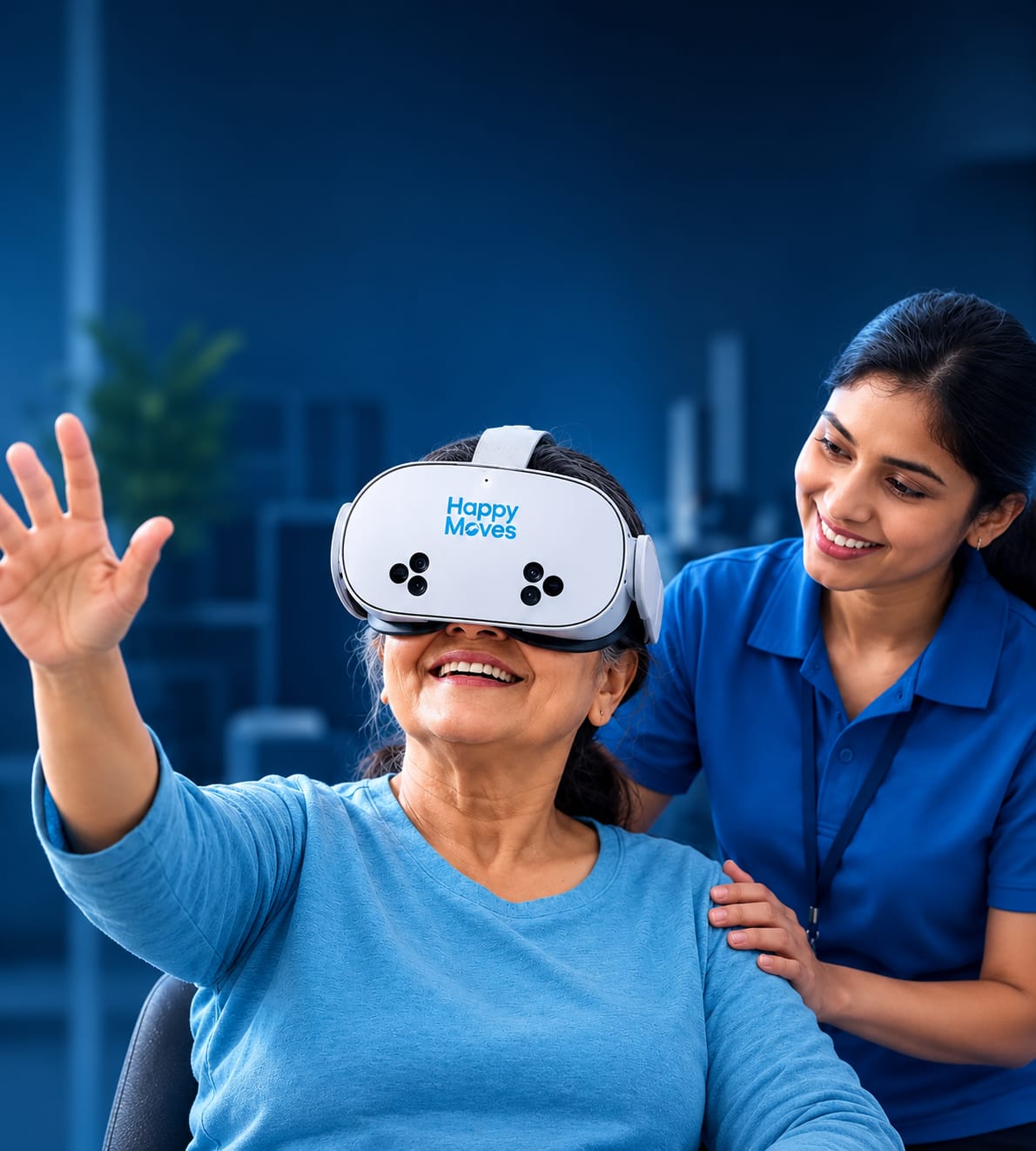
Gamified Physiotherapy vs Traditional Physical Therapy: Clinical Outcomes & Patient Adherence
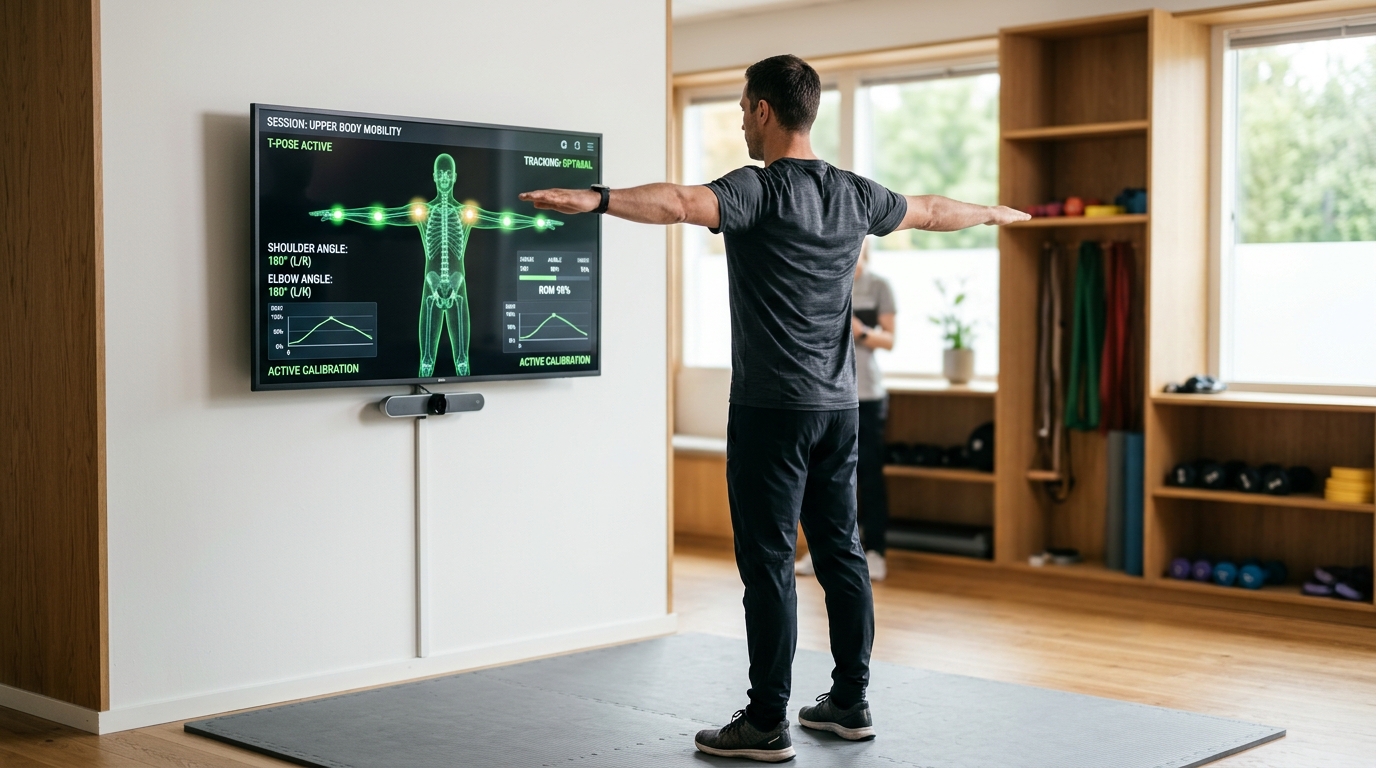
Camera Vision & Optical Tracking in Neuro-Rehab: Enabling High-Precision Therapy Without Wearables