Custom ERP vs Off-the-Shelf ERP: What Scaling Enterprises Must Know Before Investing
An architectural breakdown of total cost of ownership (TCO), operational friction, vendor lock-in, and scalability when choosing between monolithic legacy ERPs and bespoke cloud software.

The Illusion of "One-Size-Fits-All" Software
When small and mid-market enterprises embark on digital transformation, the default recommendation is often to license generic off-the-shelf ERP platforms (such as SAP, Salesforce, Oracle NetSuite, or Tally). While these monolithic suites promise turnkey readiness, scaling companies quickly encounter the "ERP Paradox": the software forces the business to reshape its unique competitive workflows to fit the rigid templates of the software vendor.
Months of expensive third-party consulting follow, licensing fees skyrocket per seat, and teams continue resorting to offline Excel spreadsheets to execute the critical workflows the legacy ERP fails to accommodate.
Total Cost of Ownership (TCO): The Hidden License Trap
Architectural Tailoring: Matching Your Operational DNA
A custom ERP built by Oqulix integrates natively with your existing hardware, local regulatory frameworks, and specialized internal hierarchies:
When Should a Company Go Custom?
If your operational processes are generic and commoditized, an off-the-shelf tool may suffice. But if your competitive advantage lies in proprietary pricing algorithms, specialized distribution pipelines, or high-volume multi-channel fulfillment, custom ERP software is not an expense—it is a formidable moat.
Ready to deploy these solutions in your organization?
Speak directly with our healthcare XR, gamification, and enterprise cloud engineering teams.
Related Publications & Technical Insights
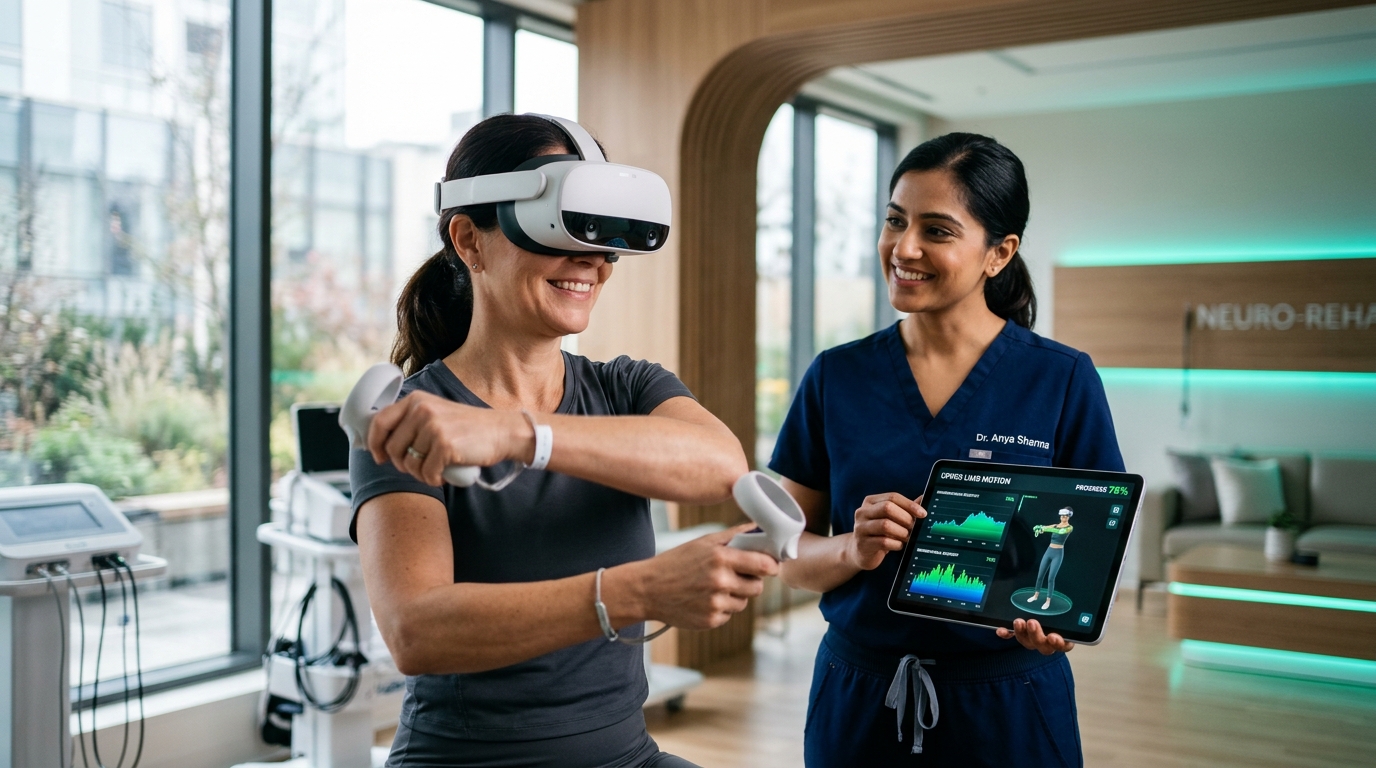
How Virtual Reality Rehabilitation Accelerates Neuroplasticity in Stroke Recovery

Gamified Physiotherapy vs Traditional Physical Therapy: Clinical Outcomes & Patient Adherence